




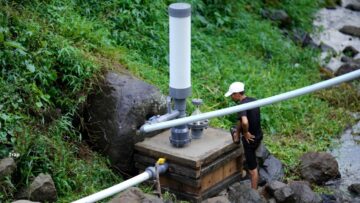









How to Make a Rainwater Harvesting System
30 déc. 2025 #permaculture #rainwaterharvesting #watersecurity
“If you do one thing, collect rainwater.” — Bill Mollison.
In this video, Geoff shows exactly how to do that. From roof selection and gutters to first-flush diverters, tank sizing, header tanks, pressure, and final filtration, this is a practical tour of how clean drinking water is caught, cleaned, stored, and used.
Key Takeaways:
Not all roofs are equal — zincalume, ceramic tile, and concrete roofs are ideal for drinking water catchment.
Gutters should fall gently toward downpipes to move water efficiently.
A simple first-flush system removes organic pollutants before water enters the tank.
First-flush systems are easy to maintain and only need occasional cleaning.
Water can travel down and back up into a tank as long as the inlet is lower than the gutter.
Inspection points make it easy to flush out residue and maintain water quality.
Mesh and sieves at tank inlets prevent leaves, mosquitoes, and wildlife from entering.
Tank size should match use — from small cabins to large family homes and irrigation systems.
Header tanks provide gravity-fed pressure without pumps.
Household water pressure requires around 15 meters (50 feet) of head height.
Weighted float indicators give a simple visual cue for when tanks need refilling.
Final-use ceramic filters polish water to an extremely fine level.
Properly harvested rainwater is clean, safe and deeply satisfying to drink.
To support us in creating more videos:
► Sign up for our newsletter for practical permaculture insights and updates: https://www.discoverpermaculture.com/…
► Like us on Facebook: / geofflawtononline
► Follow us on Instagram: / geofflawtononline
► Subscribe on YouTube: / @discoverpermaculture
► And most importantly, enjoy your permaculture journey!